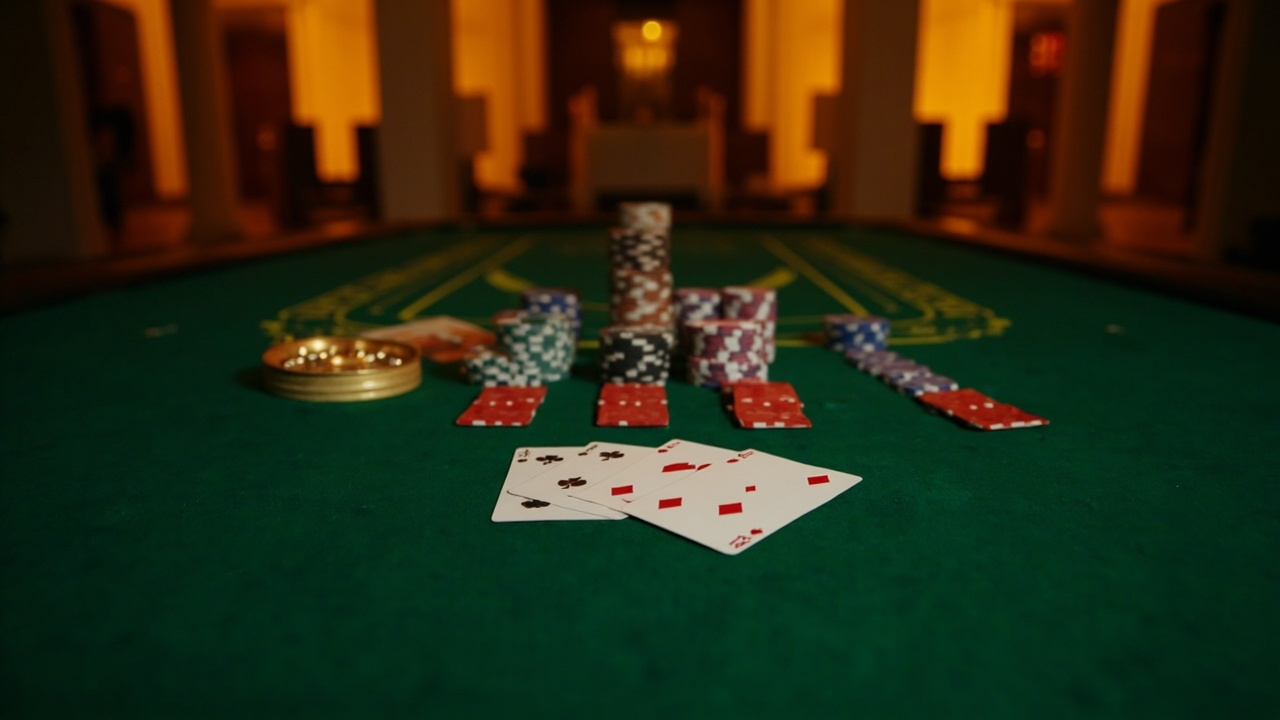
Card games have always held a particular pull for punters down under, especially when the lights go down and the arvo turns into a long night. Pontoon and blackjack look similar at a glance, but the rules shift enough to change how a session feels from the first deal to the final hand. If you have spent time watching both tables, you notice the pace, the dealer behaviour, and the way wins land are never quite the same. Understanding those differences matters more than chasing a quick bonus, because the right fit depends on how you actually like to play.
Rules That Change The Flow Of The Table
The biggest split between pontoon vs blackjack sits in how the hands are built and when the dealer acts. In a standard blackjack setup, players decide on hit, stand, double, or split before the dealer reveals their hole card, which gives you a clear window to read the board. Pontoon flips that rhythm by dealing two cards face down and letting players act in a different order, often with a fifth-card twist that changes the maths on the fly. I have run multilingual support floors where the same rule wording caused confusion across three time zones, and the lesson stuck: small wording shifts create big friction when players move between tables. That is why a site that explains the hand signals clearly, rather than burying them in a help menu, tends to keep sessions smoother. When you weigh pontoon vs blackjack, the rule set you prefer usually matches the pace you want, not just the odds on paper. You can check how different operators frame their table rules at ozwinbonus.org, where the breakdown leans toward how the game plays rather than how the promotion reads.
How The Interface Shapes Everyday Play
A clean layout does more than look tidy; it keeps you from second-guessing your next move when the table gets busy. Good card games put the bet controls, deal button, and payout info where your thumb naturally rests, with clear visual separation between active hands and settled rounds. Localisation matters just as much, because a player in Western Sydney wants to see amounts in Australian dollars, read prompts in plain English, and find support that answers in a tone that feels familiar rather than corporate. I have scaled customer teams across regulated markets where the same interface had to work for players used to different currencies and different complaint paths, and the pattern was consistent: when localisation is treated as an afterthought, support tickets spike and session length drops. A site that gets this right usually keeps the navigation flat, the search bar obvious, and the rules page easy to open without hunting through menus. That kind of everyday usability is what separates a table you return to from one you abandon after a frustrating hand. You can see how different platforms handle that balance when you compare their card game sections side by side.
Where The Near Miss Trap Sneaks In
Card games and slot machines both lean on a psychological quirk that designers understand very well, and it is worth keeping in mind when you are sizing your bets. The loss aversion instinct is exploited by near miss outcomes that feel like almost-wins, which is why a hand that misses by a single point can feel louder than a clean loss. That same pattern shows up in machines, and it helps explain why slot machines outnumber people in the state of Nevada, where the floor is built around keeping attention locked on the next spin. Card tables are slower by design, but the same temptation appears when a dealer busts by a narrow margin or a double-down hand lands just short. A well-built site does not need to shout about big swings; it simply keeps the pacing honest and the rules visible so you are not guessing what happened after each round. If you are weighing pontoon vs blackjack, the game that feels less punishing on a bad run is often the one whose pacing matches your temperament, not the one with the flashiest display.
This cognitive bias ensures that the thrill of almost winning keeps players engaged far longer than actual victories might. To understand how these mechanisms fit into the broader landscape of gaming incentives, you can review the details available at ozwinbonus.org. Recognizing these patterns is essential for anyone looking to maintain a healthy relationship with wagering activities.
Player Fit For Different Sessions
Some players want a table that rewards patience and a steady read of the dealer card, while others prefer a faster rhythm with more decisions per minute. A longer session on a quiet weeknight suits a game where you can think through each hand without feeling rushed, especially if you are playing for small stakes and treating the table as a bit of downtime. A shorter, busier session works better when the rules are simple enough to follow without pausing to check the help page every few minutes, which is why a clear mobile layout matters more than a fancy animation. I have seen support lines fill up after a rule update because the new wording did not match what regular players expected, and that kind of mismatch is what turns a decent table into a frustrating one. If you are comparing options, think about whether you want a game that leans toward careful decision-making or one that keeps the action moving without extra steps. You can also look at how different operators handle their loyalty and bonus mechanics, since a monthly prize structure like Set for Life pays winners a monthly sum over many years, which is a very different feel from a single-session payout.
Getting the right table is less about chasing the loudest offer and more about matching the rules, the interface, and the pace to how you actually like to play. Pontoon and blackjack both have their own rhythm, and the better choice is usually the one that fits your session length, your comfort with the rules, and the way the site presents the table. A clean layout, honest rule wording, and support that answers like a person rather than a script make a bigger difference than a flashy promotion ever will.